My long-awaited pilgrimage to Egypt is now less than two weeks away and I increasingly find it hard to think about anything else.
The plan is to meet my travel companion (a Lutheran pastor friend, also named Adam, who worked for a year in Egypt) at Hartsfield-Jackson International Airport in Atlanta on February 10th.
On the evening of the 10th, we’ll fly to Rome. After a layover in the “Eternal City,” we will journey on to Cairo and “inshallah” (“if God wills it”.in Arabic) be on the ground around 4:30pm local time. From there, we’ll head to our hotel in Heliopolis, an affluent neighborhood where my family lives.
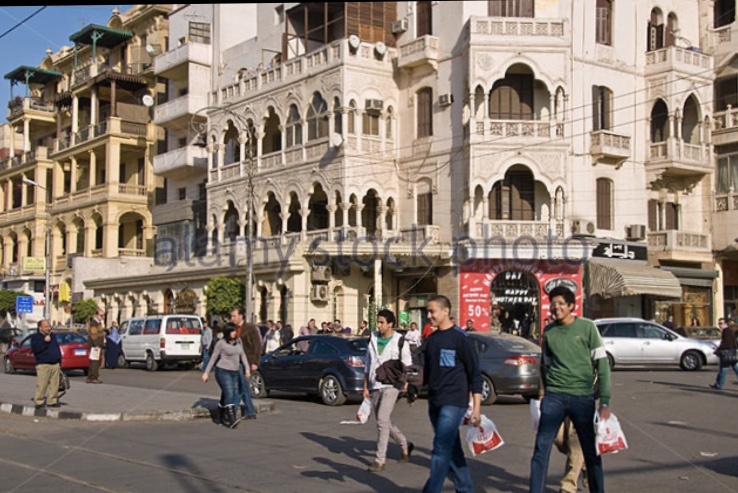
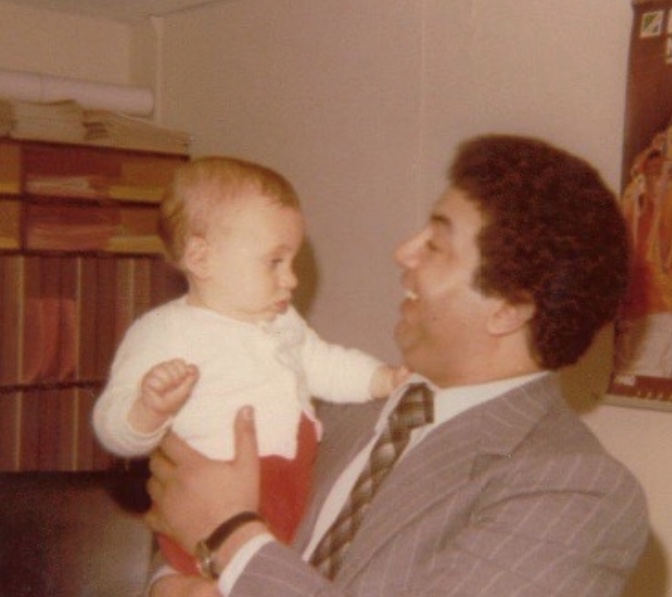
I have spent an awful lot of time wondering how I’ll feel when my feet are planted on Egyptian soil for the first time. While I have lived my entire life a world away, Egypt has often been on my heart and mind. One thing’s for sure is that the moment my biological father sees me walk out of the arrival gate at Cairo International Airport, it will be the fulfillment of a hope he has had for forty years.
As I peruse a number of books about Egypt in preparation for my time away, I am reminded how different the goal of this trip is from that of a typical tourist. I am proud to have roots in a country with such a rich history and am eager to learn about that patrimony. This is, after all, the land of the great pyramids of Giza. It is the ancient civilization that introduced the world to the 365-day calendar and 24-hour clock. It is the sacred ground that was once home to the likes of the boy king, Tutankhamen, Queen Nefertiti and also, for a short while, the Greek conqueror, Alexander the Great.

Egypt’s 5,000 years of recorded history is breathtaking to consider and yet, the history I am most eager to learn about is far more immediate than that.
My family in Egypt, as I noted in an earlier post, hails from the Upper Egyptian city of Luxor.
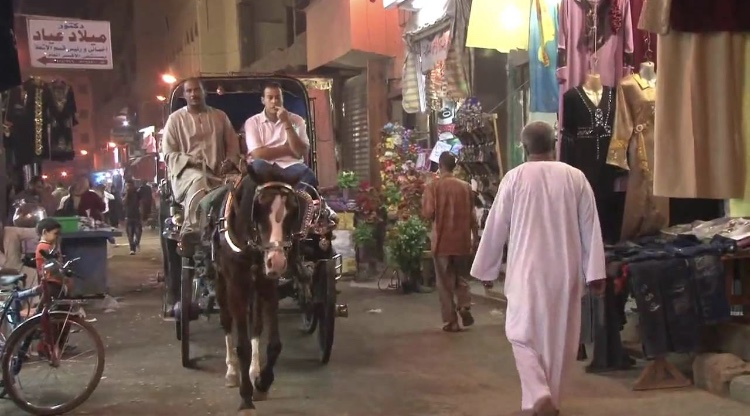
The territory of the country south of Cairo stretching all the way to the Sudanese border has, since ancient times, been referred to as “Upper Egypt” because of the flow of the famed Nile River.
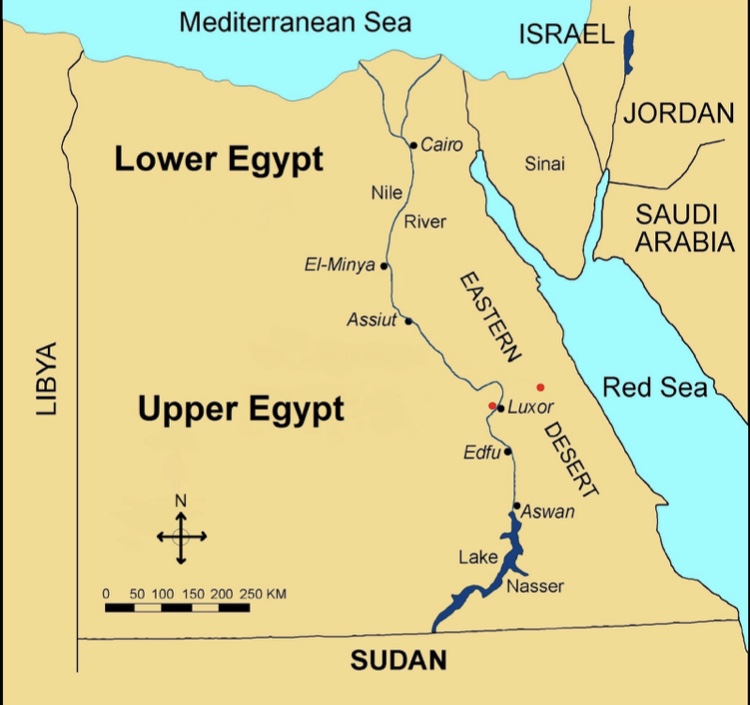
In general, this part of the country takes a back seat to the Lower Egyptian capital city of Cairo in just about everything. According to the author, Max Rodenbeck, “In impoverished Upper Egypt, the literacy rate is only half of Cairo’s. There are no Egyptian daily newspapers outside Cairo, and the score of dailies [in the capital city] … devote scant space on their innermost pages to all that happens elsewhere in the country.” Although Luxor was once the center of ancient Egypt and is home to the famed Valley of the Kings, the Egyptians of modern day Luxor are often stigmatized and looked down upon. It is quite impressive then that my family – the Haggagis – have climbed the economic and social ladder over the years and, by all accounts, enjoy an affluent standard of living today. The family money has come through tourism.
Evidence exists that it was my paternal grandfather, Abdel Rahim, and his brothers who were the ones to begin the family travel business. They apparently began work as guides for the colonial British government.
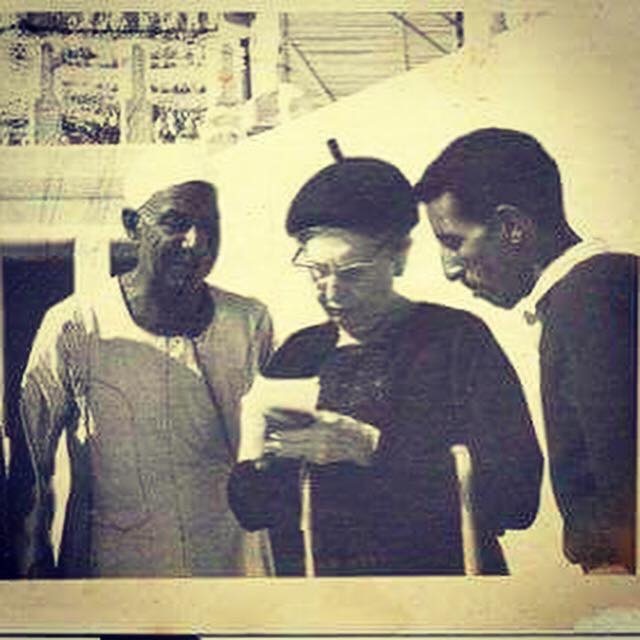
My grandfather began a travel business in Luxor and, eventually, in the far more prosperous city of Cairo. He would keep an apartment in the up and coming neighborhood of Heliopolis until the day he died.
Heliopolis, meaning “city of the sun,” is both the name of a vitally important ancient city now in ruins and the more modern neighborhood, about a mile from the ancient site, founded in the early twentieth-century. My mother’s letters reference time she lived there, in addition to Luxor, while married to my father. While it is clear I have family spread out all over the country, all my immediate family currently reside in Heliopolis.
I will be in the country for nearly two weeks but still do not have much of a plan. My eldest sister, Yousra tells me Egyptians are not much into plans or schedules. She says the family just wants to see me and wants me to have an enjoyable experience. The goal at the end of the day is to meet them and, in many respects, to retrace the steps my mom took as an idealistic and adventurous young woman in her early twenties.
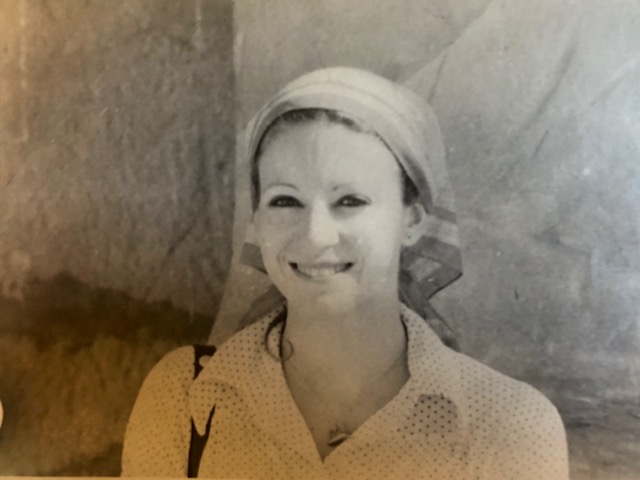
While ancient Egypt and its great history are compelling, this trip is more focused on establishing present day connections with my large extended family that might help me construct a new chapter I can continue to live into for the rest of my life.

 Finding my Egyptian Roots
When I was in Luxor 20 plus years ago, it was Ramadan and out of our open window we heard the calls to prayer. At a store, the owner found out that we were with an American Bishop and insister that they wanted to take Bishop Whittaker out into the desert to see a monastery. So at 1 am they headed for the desert and I wondered how I would explain to his wife if he didn’t come back.
LikeLike