My eldest sister, Yousra, stayed in touch with me during my father’s imprisonment and provided updates whenever possible. For all its drawbacks, social media enabled us to do that and has aided me in maintaining some meaningful contact with other family members in Egypt over the last several years. In time, my father was released but the political situation in the country remained unsettled and violence continued.
That violence erupted when the Coptic Church, a small but sizable minority in Egypt and one of the oldest Christian traditions in the world, was victimized. Saint Mark’s Coptic Orthodox Cathedral, the principal church in Alexandria and seat of the Coptic papacy was suicide-bombed on Palm Sunday of April 9th, 2017. On the same day, another Coptic Church, St. George’s in the northern Egyptian city of Tanta was also suicide-bombed.
Although the twin bombings were all over the news, I again received an encouraging sign from my family when I noticed an image posted on Facebook, days after those attacks, of my uncle Ramadan, a faithful Muslim, embracing a Coptic priest.
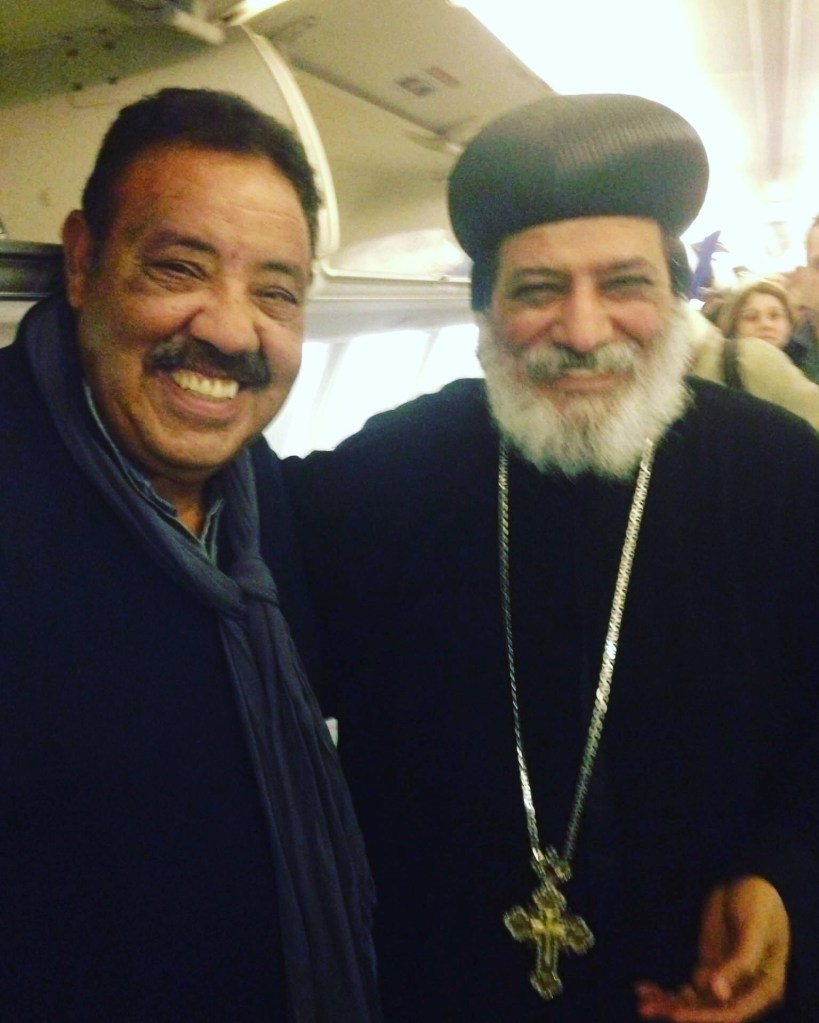
The image, and others like it shared by my Egyptian family, served as a welcome reminder that this is the true face of Egypt. Beyond the headlines, beyond the attempts of extremist voices to sow hatred and discord, Egyptians of good will, of all faiths and backgrounds, in towns and cities across the country, are working and living alongside one another in the warm and gregarious spirit typical of the Egyptian heart and soul.
As the situation in Egypt stabilized, my family began to encourage me to attempt to make another trip and yet, the thought of a new attempt still made me somewhat uneasy. I was now the father of three small children. Life was full and busy and this trip seemed like a lot to take on. I could intellectually see the images shared by my family or hear that Egypt’s security situation had improved but, like many Americans (who have not exactly been flocking to Egypt in recent years), I still found it hard to look past our country’s characterizations of the Middle East and trust that it was a good time to go.
Then I tuned into the 2018 World Cup.
The American team had failed to qualify that year but the Egyptian Pharaohs had made it for the first time in nearly thirty years when their fleet footed star striker, 27 year-old Mohamed Salah scored on a dramatic 95thminute penalty kick against the Democratic Republic of Congo in an African qualifying tournament on Egyptian soil. When Salah, the so-called “Egyptian King,” scored that goal off his powerful left foot, the entire country went wild.
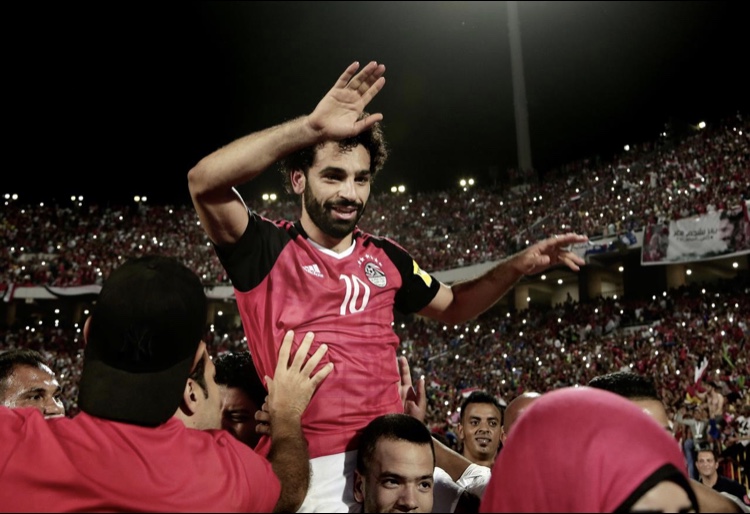
It was, as some recall, a healing moment across Egypt after the political turmoil of recent years.
Representation is a powerful thing. To see an Egyptian elevated on the world stage filled me with a sense of ethnic pride. I had always been a sports fan but realized that this was the first time in my life an Egyptian was looked upon as one of the best athletes in the world. Here was an ambassador for Egypt and Egyptians who was telegenic, warm, and kind to fans of all stripes not to mention enormously generous to the small impoverished village of Nagrig, where he was born.
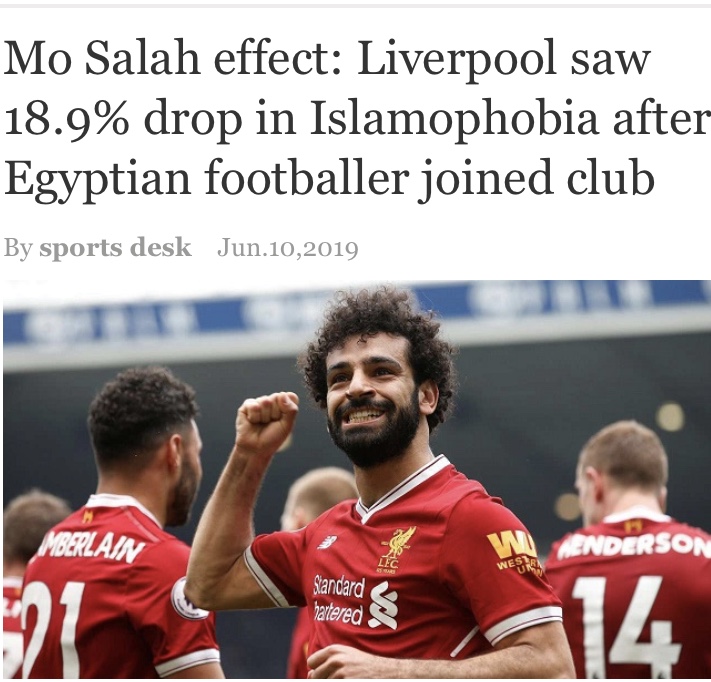
He is also, at this critical moment in history, one of the most public faces of Islam on the planet. And this, according to many statisticians, is making an impact.
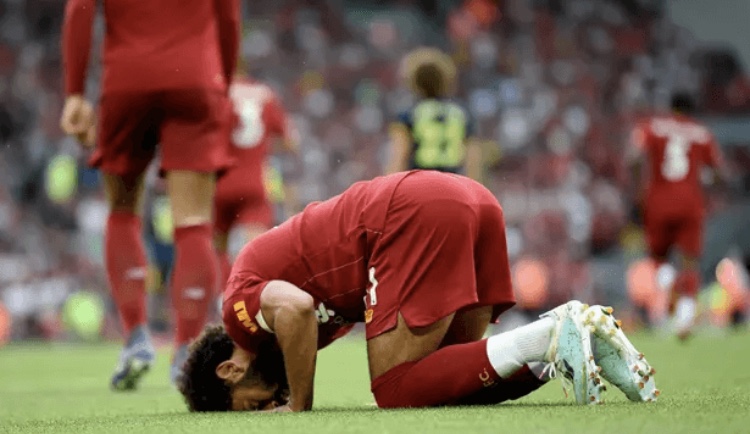
The so-called “Mo Salah effect” refers to the documented drop in Islamphobia and hate crimes in Liverpool England, where Salah is a star player for the city’s powerhouse British Premier League team.
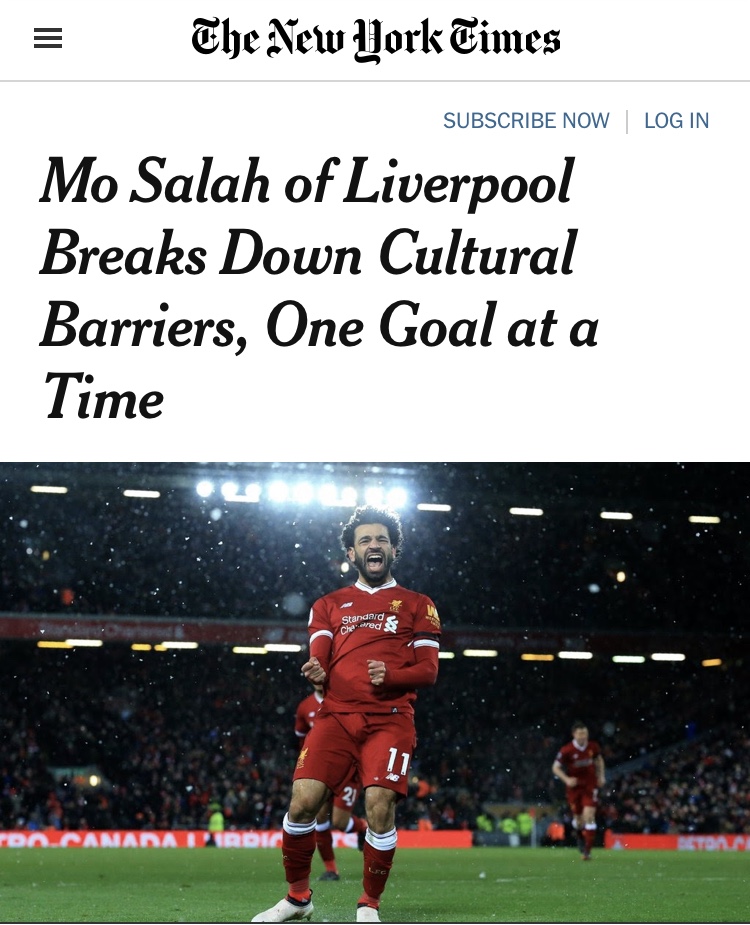
The moment the World Cup ended, I was hooked. I purchased a Salah Liverpool jersey and started to follow his club team.
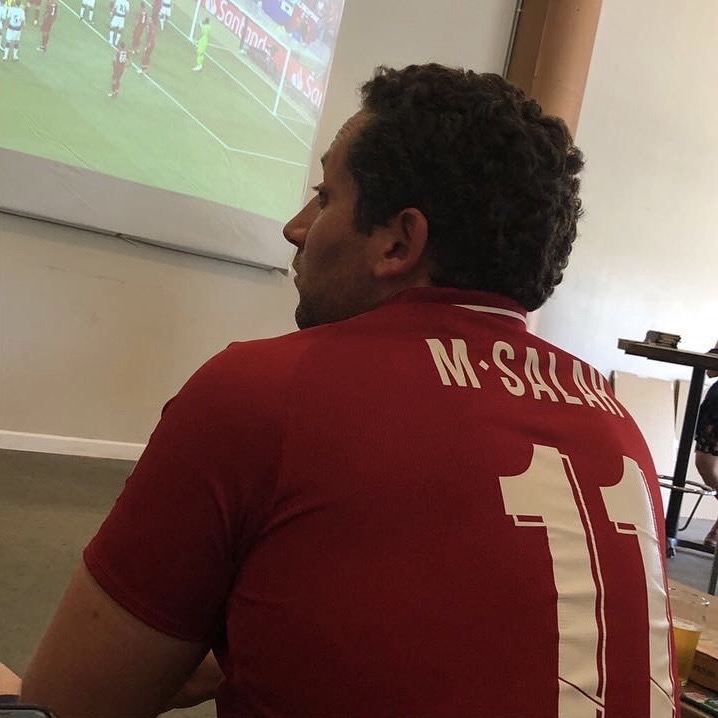
I have often believed in the religious and spiritual dimensions of sports. Stadiums can be their own kind of cathedrals and draw disparate people together under a common cause. In the case of a global sport like soccer, it can also break down walls that so often separate us as human beings. A team like Liverpool, for instance, has a German coach in the charismatic Jurgen Klopp and starting players from England, Brazil, the Netherlands, and the continent of Africa. It’s a beautiful thing to watch their camaraderie on and off the pitch.
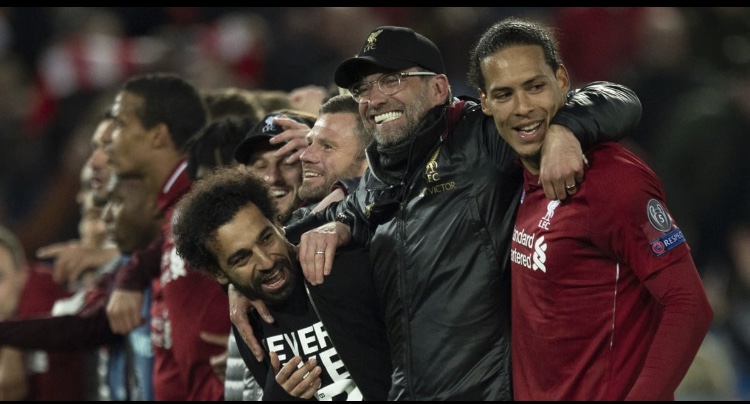
Supporting Liverpool over the past couple of years has also been another way to connect with my family from afar. In Egypt (and across the Middle East for that matter), Salah is an icon. Egyptian street art can be found all over the streets of Cairo.
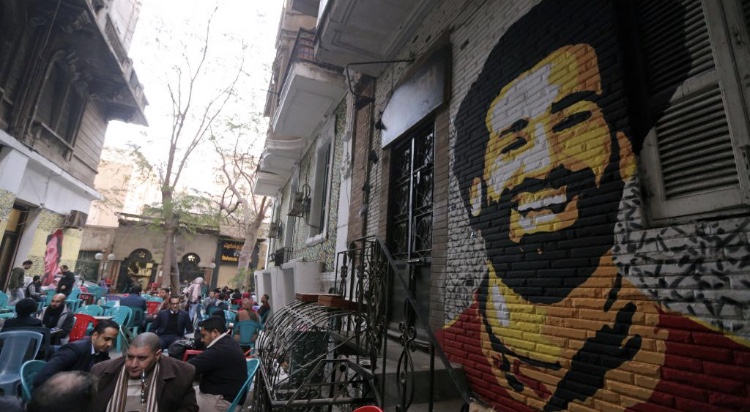
To cheer for Liverpool is simply what a good Egyptian sports fan does!
When Egypt recently hosted the African Cup of Nations tournament, my family was there cheering Salah and the rest of the team on.

Mo Salah has certainly had an effect on me. I was ready again to try to make this trip to Egypt to see my family, the country, and maybe a little Salah street art too. The preparations for this impending February trip will be the subject of my next post.

 Finding my Egyptian Roots
Super stoked and excited for you to make this trip Adam. Thanks again for sharing your journey.
LikeLike
Another wonderful part of your story, Adam. Now I understand your Liverpool obsession! Thank you for sharing your family story and upcoming journey with us! Cheers!
LikeLike
❤️❤️❤️
LikeLike
Salah is a great player. Unfortunately, he does not play for Arsenal.
LikeLike