My mother wrote scores of lengthy letters during the years she lived in Egypt.
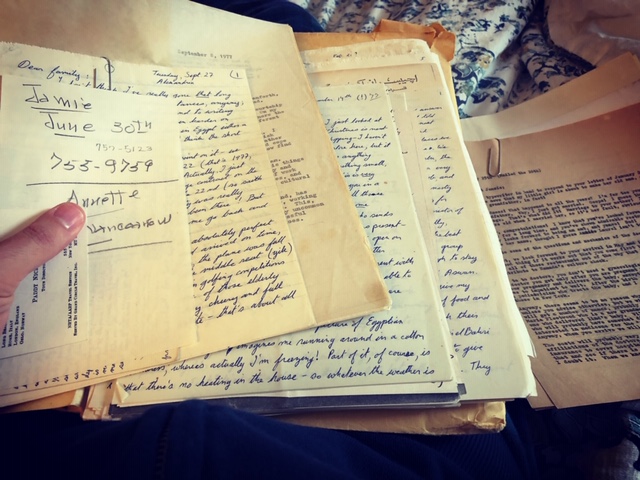
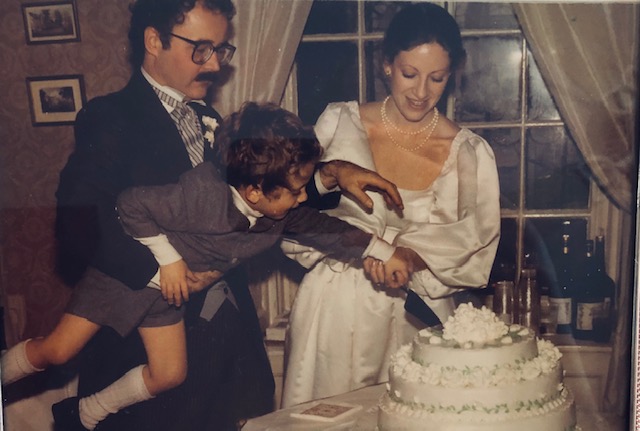
In reading through them now, over forty years later, I am struck by the radically counter-cultural life she embraced in marrying my biological father. These very personal missives give an eye-opening glimpse into the life of a young American woman, in her early twenties, attempting to learn how to adjust to married life in a foreign language, culture, and religious context. They detail everything from a vivid description of her marriage ceremony to life as a part of my father’s large Muslim family.
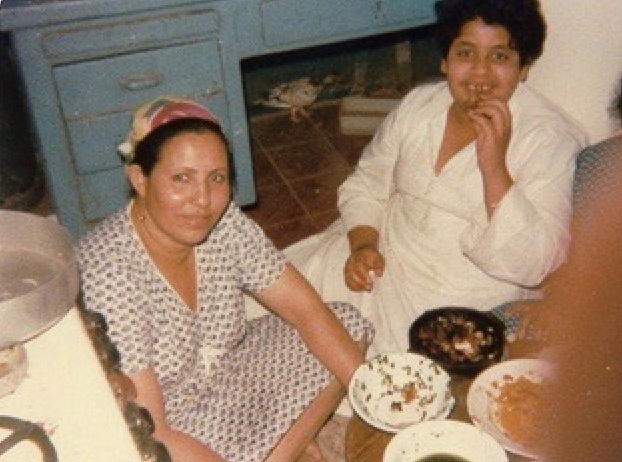
The letters also reveal quotidian realities such as her adventures in learning Arabic to experimenting in Egyptian cuisine to the challenge of cleaning dust out of a Luxor apartment. She writes about encounters on the streets, the atmospherics and about her work as a tour guide for the family business. It must have been an exciting time but awfully overwhelming as well.
There is also clear evidence in these letters that, just prior to my birth, both she and my father were open to the possibility of making a permanent move to the United States. In hindsight, I’m not sure my father was ever going to be as game for the culture shock of life in America as my mother was for life in Egypt. He was a young Egyptian man, full of Mediterranean machismo, who tried to live in New York City, as a new father, the way he had lived in Egypt.
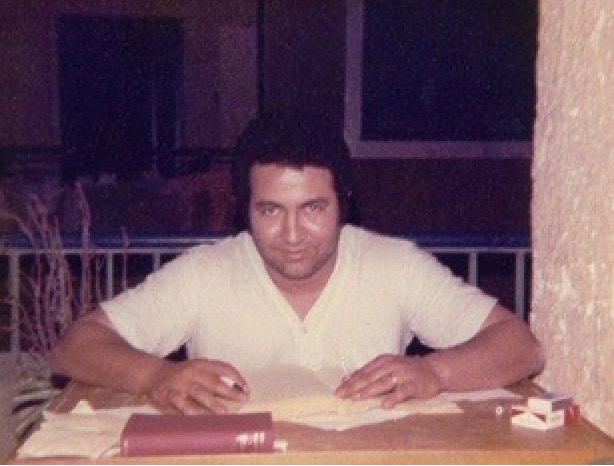
The marriage did not last long and the dissolution of this marriage changed everything for me. Everything that would have been, prior to that divorce, was simply not meant to be after it had been finalized.
The day my father returned home to Egypt, leaving my mother and I behind in New York, was the day a great divide began that I have struggled to bridge all my life. This divide has not just been the result of distance – of separation by oceans, continents, and time zones – but of language, culture, religion, and way of life. This divide, like the divide between America and the Middle East, has often been exacerbated by mistrust, lack of understanding, and evolving political realities. At times, it’s all felt pretty insurmountable to me.
It did not take long for my parents to find other partners and construct new familial realties. My father would soon marry an Egyptian woman and have the first of six more children when my half-sister Yousra was born.
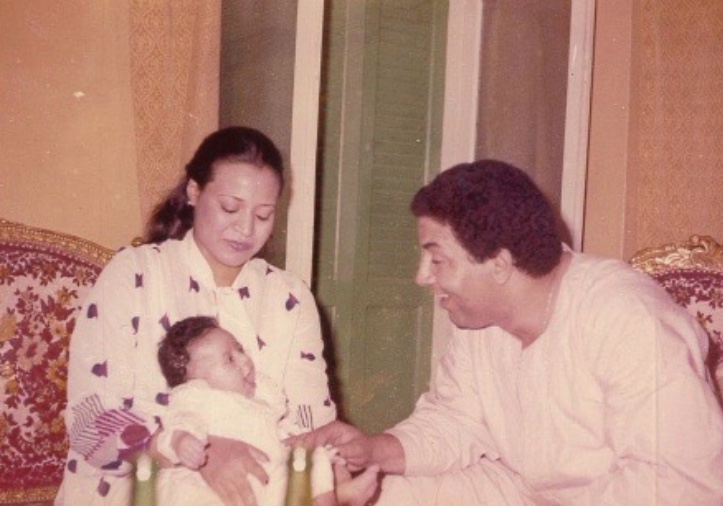
My mother would marry the only man I have ever known as “dad,” Tom Shoemaker, a lapsed Irish Catholic from the western suburbs of Chicago.
My biological father would periodically come to visit and would meet me and mother for lunch in Manhattan.
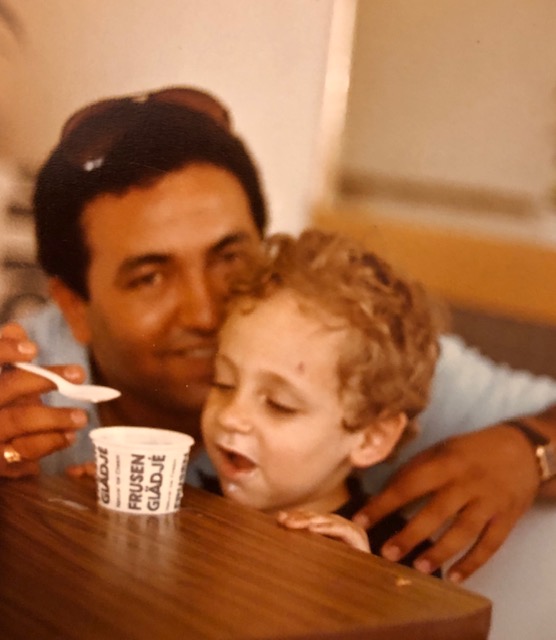
These somewhat awkward encounters would usually end with him asking when I might come to Egypt. Each time, my mother would refuse to consider the possibility on the recommendation of the United States State Department. They told her there would be little they could do to stop my father from keeping me in Egypt if I ever went as a minor.
As a child, I could feel the tension between the adults in my life that revolved around things like visitation rights, adoption, and potential travel to Egypt. This tension, coupled with my desire to not appear different or, even worse, “exotic,” made me turn away from my Egyptian side. I was never taught Arabic or taught to value my Egyptian roots. I never grew up with Egyptian friends or family members. If anything, this side of myself was not spoken about or acknowledged at all. As an adult, I can sympathize with why this was never nurtured in me by my mom or by my dad, Tom. But I can also say, in hindsight, that this did not help my emerging sense of self.
The division in my family left me a divided person. I did not like my Semitic nose or features. I was teased at school for my somewhat kinky hair or for any mention of my Egyptian background.
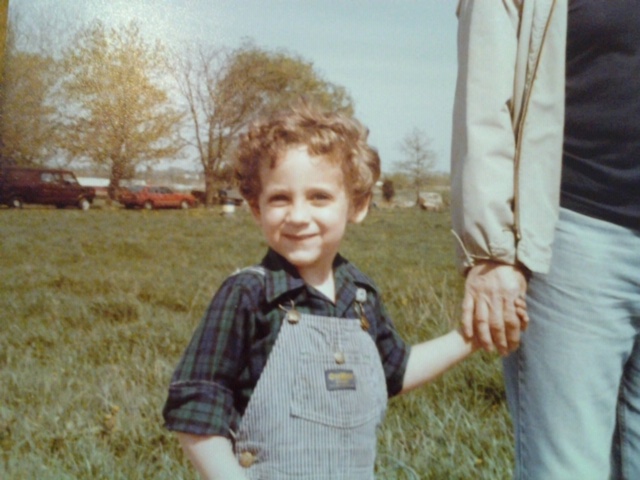
In time, I began to internalize American biases of the Middle East. Just as this part of the world is easily scapegoated by American politicians, my Egyptian background became an easy scapegoat for anything I did not like about myself. This internal struggle created obvious divisions inside my own heart and mind that have taken a long while to heal.
I have often thought that, as Islam is a patrilineal religion and Judaism a matrilineal one, there is a way in which I am indelibly a part of each of the Abrahamic faith traditions and yet, as a young person, I struggled with a sense of belonging. I never quite felt like I entirely fit in anywhere. The diversity of my background did not feel so much like a blessing but a burden that I could not figure out how to navigate.
By the time my mother died of leukemia, at the age of 46, when I was a senior in college (and taking a course with the Holocaust survivor and writer, Elie Wiesel), I was ready to forget my Egyptian roots. I turned my back on my biological father right then and there. I stopped returning his messages. I did not want to think about it. But he never gave up. I have, over the years, given Hamada every reason to forget about me and tend to his fully Egyptian children but he has continued to try to have a relationship despite the distance and despite the enormous differences between us. Now that I’m a father, I appreciate that effort all the more.
How I began to truly my embrace my background and move towards reconciliation and this impending trip to Egypt will be the subject of my next post.
 Finding my Egyptian Roots
Good that your dad kept trying. Is he still alive? Looking forward to the saga.
LikeLike
I need to say this however embarrassing it may be: I am truly honored to know you and to bee able to read about this wonderful journey you are on. I am also kind of amazed by how much Malcolm looks like you as a child. Thanks for what you are doing…I’m looking forward to your next posts.
LikeLike
You are so kind to share details about your parents and the trials and triumphs of your childhood that have shaped you into the wonderful, thoughtful loving person you have become. thank you!
LikeLike
Just read both blogs to Roy on our trip to his Sumter church today. We marvel at your life and your insight into your divided cultural background. Thank you Adam for sharing this history with all of us and your vulnerability. We treasure your presence with us. Elizabeth Hills
LikeLike